

ANZOS Photonic and Quantum Technologies Industry Report 2026
Revenue from the Australasian photonic and quantum core components goods and services industry has grown since 2023, but the rate of growth is below the global average, according to the latest industry report from ANZOS, the Australian and New Zealand Optical Society.
Revenue grew from A$6bn in 2023 to A$7.4bn in 2025 and New Zealand’s share is A$1.8bn (NZ$2.18bn), up from NZ$1.5bn in 2023. The Compound Annual Growth Rate (CAGR) for the Australasian industry since 2019 is now 5.5% up from 2.8% in 2023. The global average is between 6 and 6.8%.
ANZOS Past-President and Director of Te Whai Ao — Dodd-Walls Centre for Photonic and Quantum Technologies, Professor Frédérique Vanholsbeeck says New Zealand has been comparatively slow to prioritise the science, but it’s good to see signs of positive intent.
“We’re eager to support the New Zealand Institute of Advanced Technologies to start designing what a photonics and quantum technologies platform could look like. We want to become a globally competitive growth engine.”
New Zealand and Australia are competing with mature markets with significant private and public sector investment. European and American policymakers have prioritised photonics and quantum technologies for many years, investing billions to retain quantum sovereignty in a volatile world. By way of comparison, Scotland has revenues of more than £1.5bn and a CAGR of around 7%.
Professor Frédérique Vanholsbeeck says Australia is ahead of New Zealand in a number of ways: how long the science has been prioritised, the sums invested, a supportive strategy, the transition from research to commercial application at scale and well-funded new infrastructure.
“There is an opportunity to collaborate with Australia: in projects, in infrastructure, and across the Pacific in defence, security and maintaining sovereign capability.
“Despite the funding constraints being experienced today, NZ is benefitting from fundamental science projects begun several years ago. Researchers are continuing to translate their research into viable commercial applications, and we’ve seen at least 4 new start-ups this year.”
New Zealand is now witnessing the birth of quantum start-ups (an emerging technology) such as TwoPhold, Q-Bifröst and Amio Space Limited in addition to the strong stream of photonics start-ups (based on a mature technology) such as Engender, Orbis, Luminoma and Probentis.
Professor Frédérique Vanholsbeeck says the latest companies emerging from Te Whai Ao — Dodd-Walls are spread nationwide.
“Just ticking off a few, they range from distributed quantum network hardware supplier Q-Bifröst in Dunedin, to efficient solar panel provider TwoPhold in Wellington and in Auckland, Amio Space Limited which is working with commercial users of the University of Auckland’s Taiaho Observatory."
She says considerable opportunity lies in NZ’s strengths insensing (for environmental management, energy, security, defence, agriculture and health), as well as photonics components, space and quantum communications.
Read the report here: https://cdn.prod.website-files.com/669da8020cc6f3fd4ae1f129/6abdc3ba341ebc2bb9748e1d_ANZOS_Report_Final_Digital.pdf
Latest
News
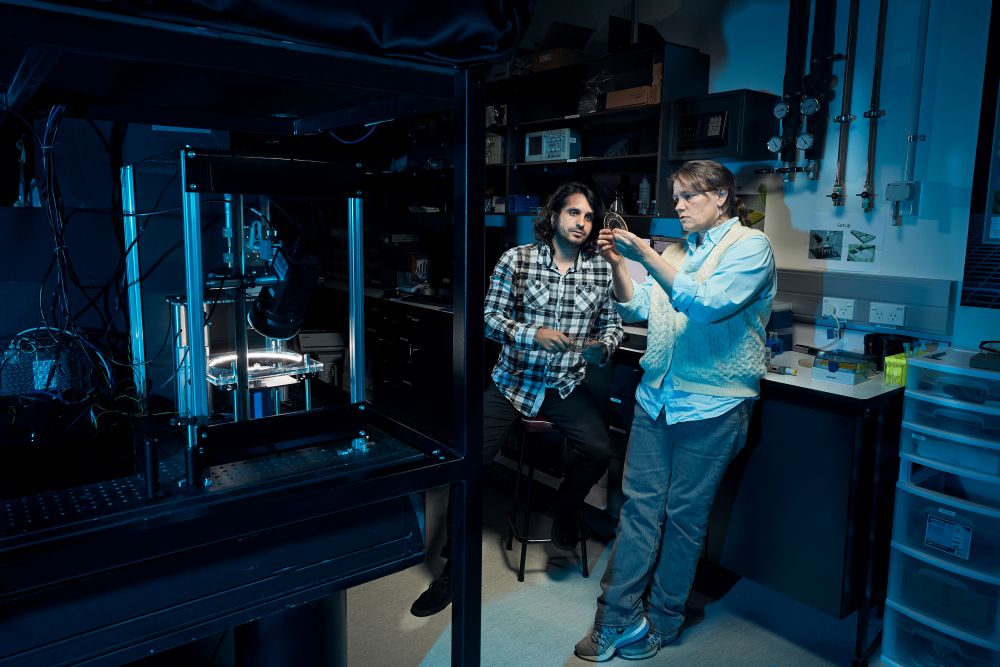

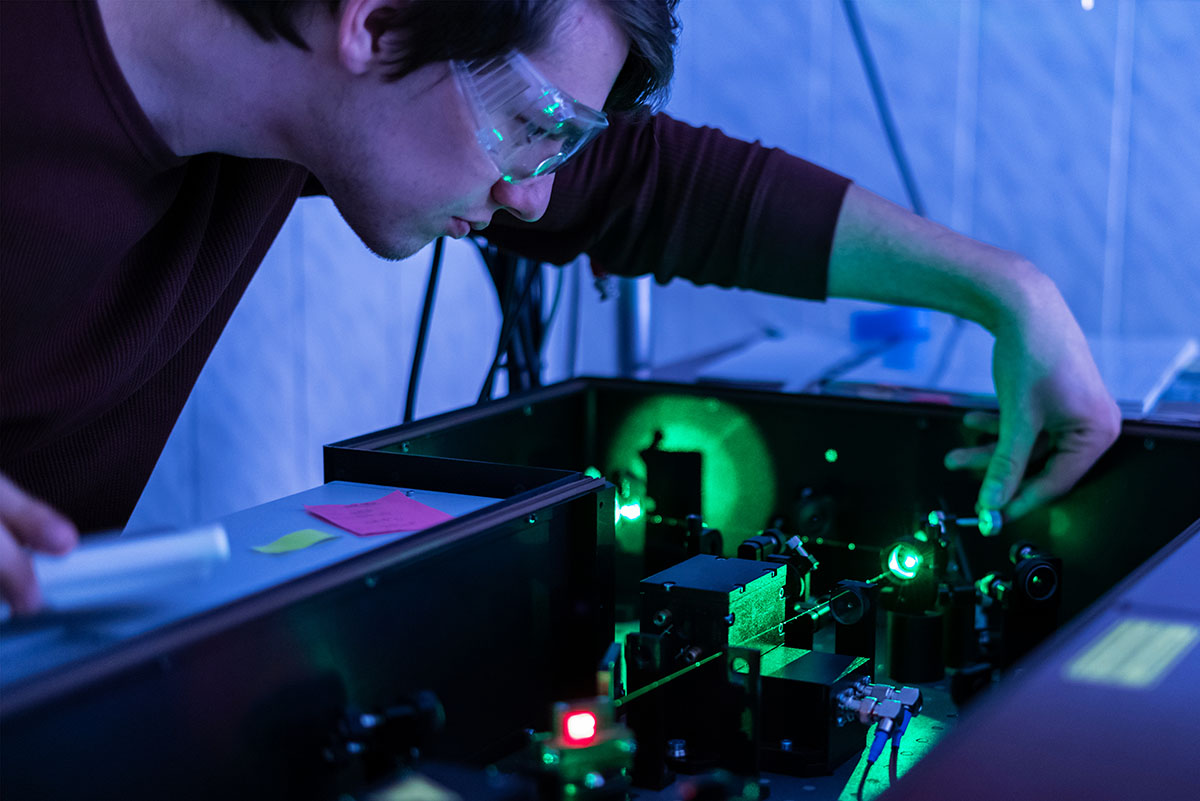
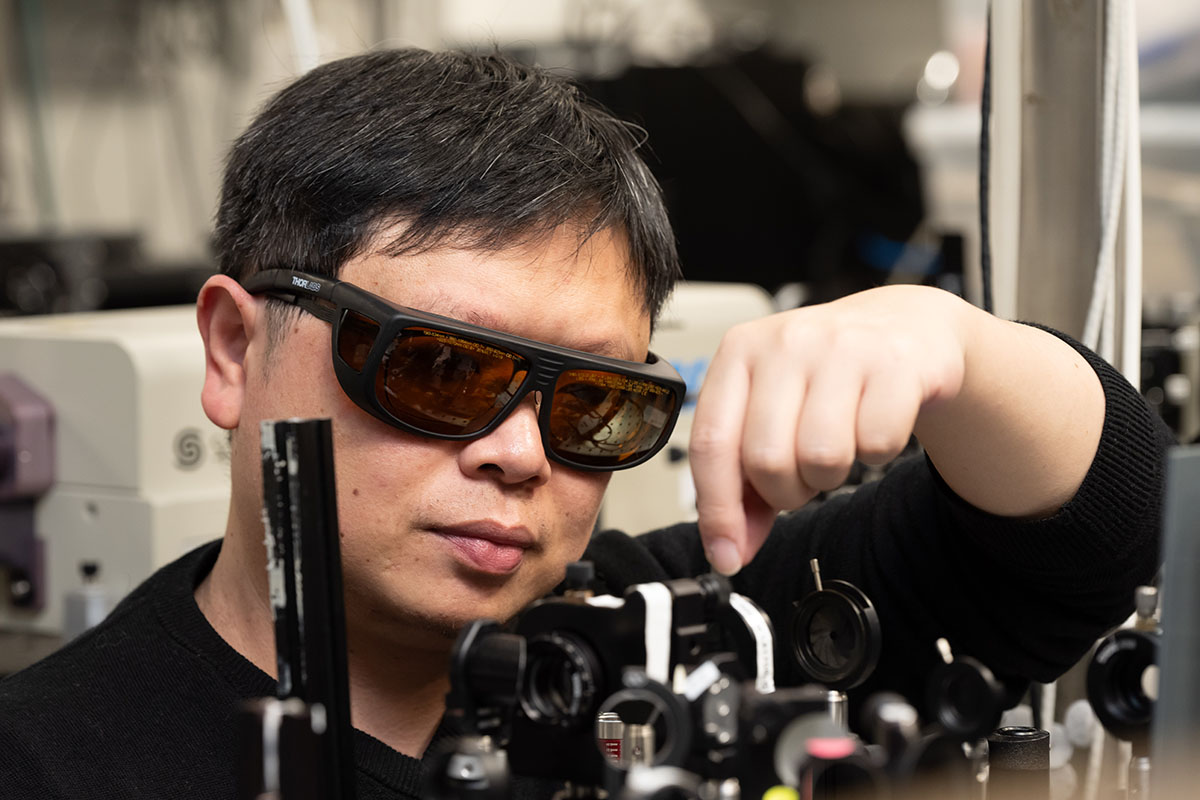


The Dodd-Walls Centre research focus is photonics, the generation, transmission, and manipulation of light, and the study of matter and energy at the quantum level.