

Quantum Australia 2026
In April 2026, a major conference was run by Quantum Australia, the organisation established to help grow Australia’s quantum ecosystem. It brought more than 800 attendees together in Adelaide and New Zealand was among 18 international delegations attending.
The event reinforced Australia’s position as a globally connected and rapidly advancing quantum nation. The conference attracted end-user market sectors and the broader quantum industry to support technology adoption in line with Australia’s National Quantum Strategy
Held under the theme Quantum for Impact: Unlocking Productivity, it focused on how quantum technologies are moving beyond research and into real-world application across defence, finance, health, energy. resources, advanced manufacturing and critical infrastructure.
Our Centre sent along an “unofficial delegation” and here’s what they reported back on some of the big themes arising:
Invest early – Australia began back in the 1990’s and is reaping the benefits with more than 50 quantum companies now operating there, according to Australia’s former Chief Scientist, Dr Cathy Foley.
Growing talent – Australia now has one of the world’s strongest quantum talent pipelines, and it ranks highly relative to its size. Many scientists, engineers and technicians have migrated from New Zealand.
Picking winners – There are a bunch of different “modalities” or hardware approaches to creating a quantum state: superconducting, spin qubits, photons, trapped ions, neutral atoms and quantum dots. To the surprise of many, there’s still no obvious leader. Investors were encouraged to seek opportunities both across the hardware and along the supply chain.
A local and global ecosystem – Australian research institutes are increasingly backed by large overseas quantum companies such as Psi Quantum, Google, IBM, Quandela and others. Collaboration is now classified as an enabler, not just a nice to have.
Principles of future operation – More advice from Australia’s former Chief Scientist, Dr Cathy Foley: compete on applications /co-operate on infrastructure; look to develop sovereign capability, without becoming isolationist; make sure your apps are interoperable.
Today’s choices define tomorrow’s reality – governments' action today will determine whether countries experience a digital divide. The timeframe to post-quantum cryptography is diminishing –now projected to be 2030 or earlier. McKinsey warns “Quantum is no longer about writing the next white paper
Latest
News

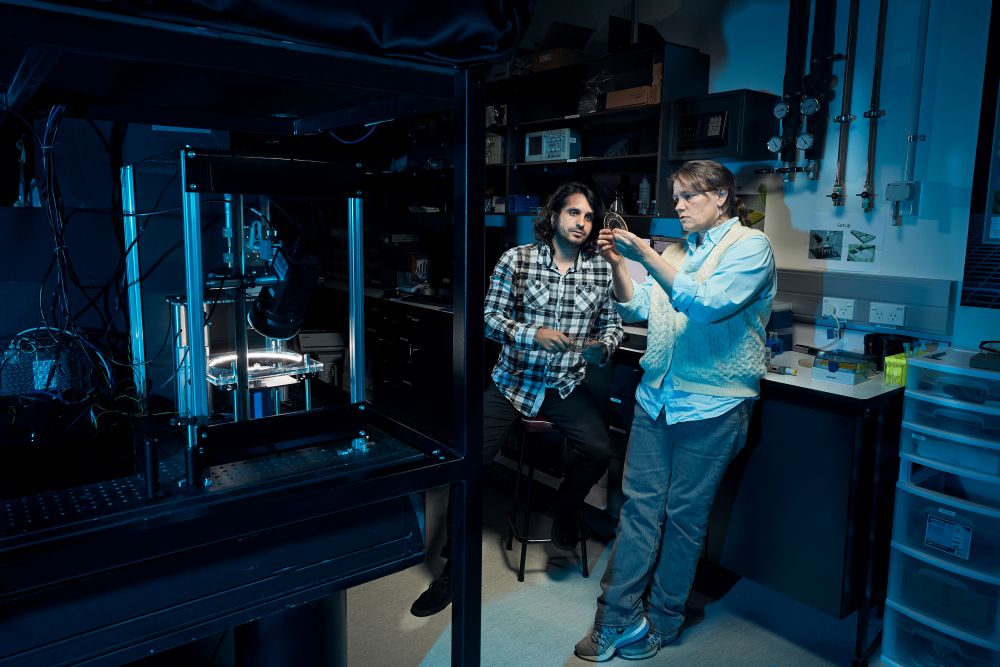

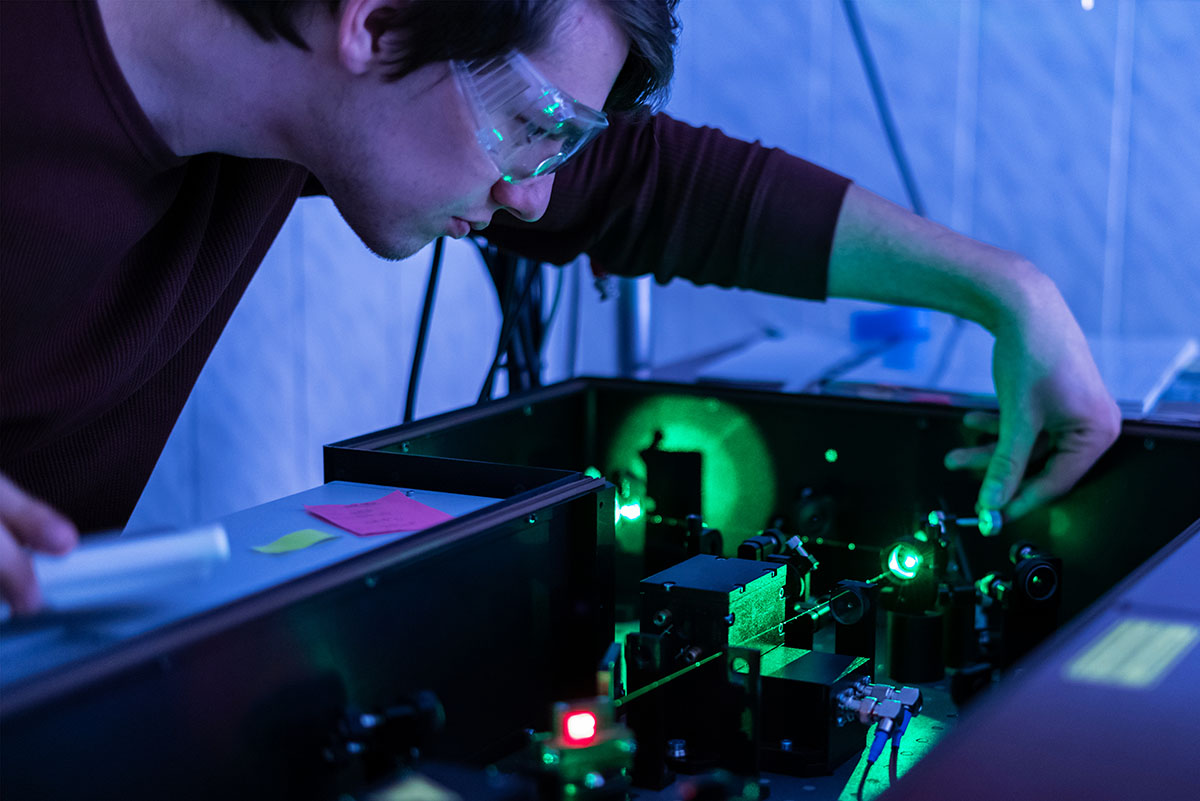
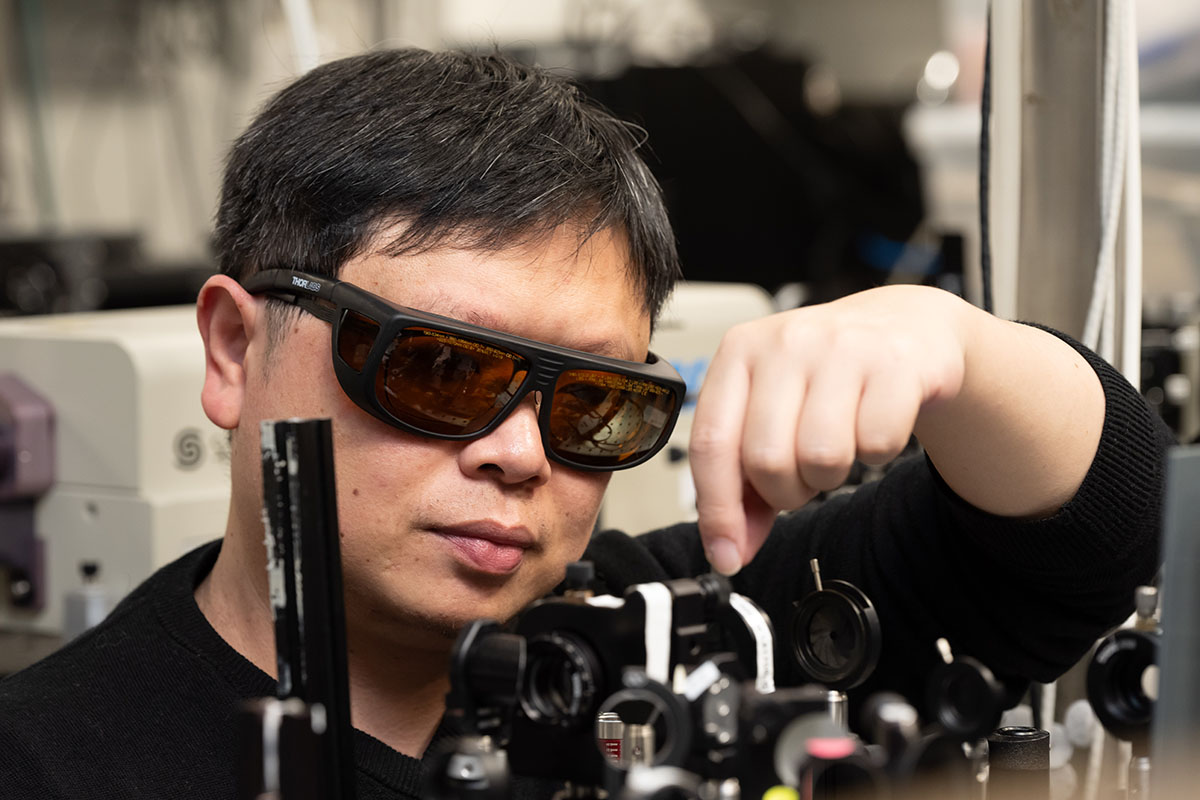

The Dodd-Walls Centre research focus is photonics, the generation, transmission, and manipulation of light, and the study of matter and energy at the quantum level.